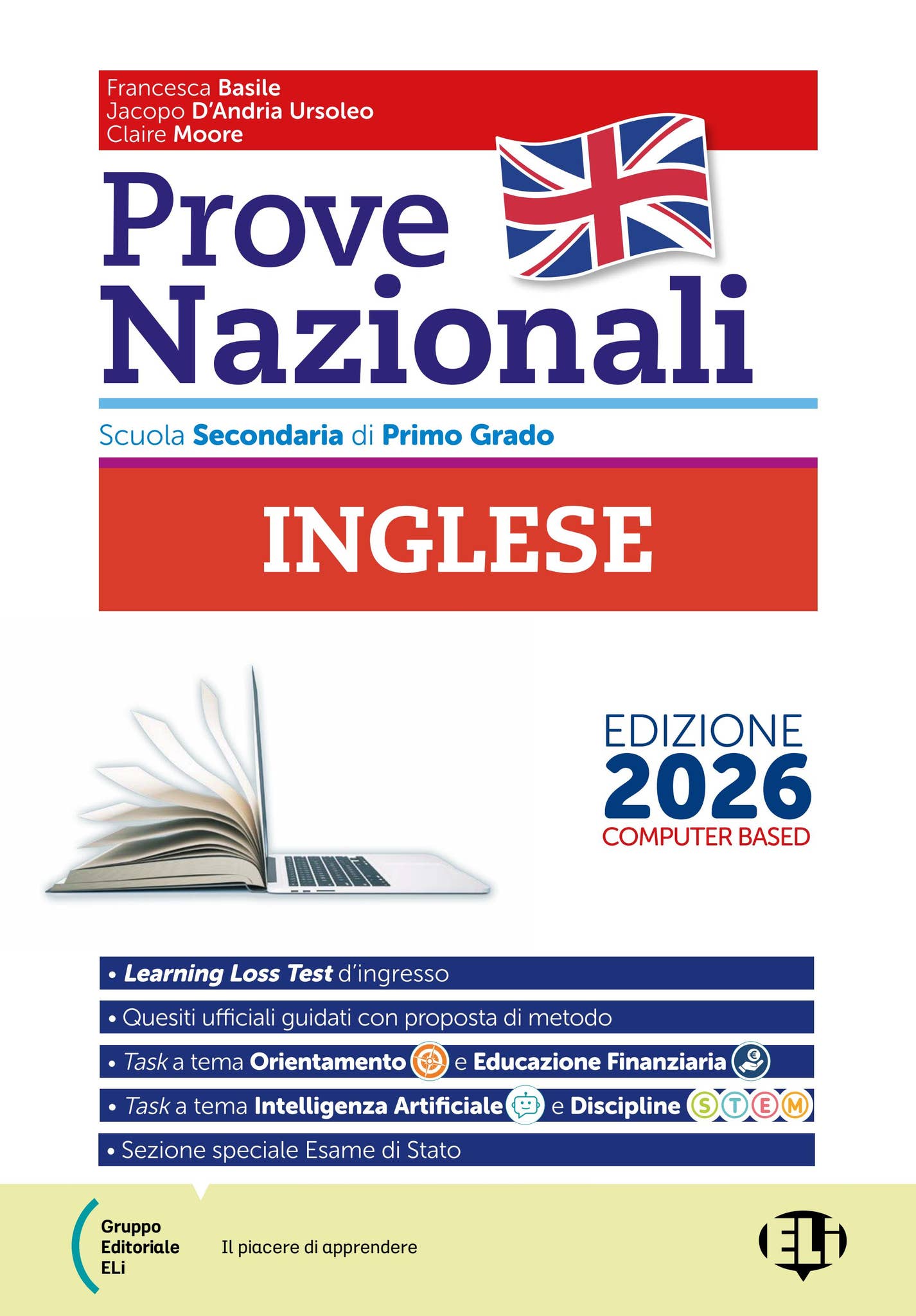
As Italy's education landscape continues its evolution, the Prove Invalsi 2026 stand as a critical benchmark, offering a comprehensive snapshot of student competencies across various grade levels. These national assessments are not just tests; they are vital tools for evaluating educational standards, identifying areas for improvement, and shaping future pedagogical strategies. With significant updates, including a brand-new digital skills assessment and a largely computer-based format, understanding the full calendar and specific prove invalsi date for each grade is more important than ever for students, educators, and parents alike. This detailed guide unveils everything you need to know about the upcoming Invalsi sessions, from the full schedule to the subjects covered and the innovative changes on the horizon.
Unveiling the Prove Invalsi 2026 Calendar: Key Dates for All Grades
The Invalsi 2026 national assessments are structured to progressively engage different educational stages, beginning with the final year of upper secondary school and concluding with primary education. This phased approach ensures a smooth logistical flow and allows for focused preparation at each level. Here's a breakdown of the crucial prove invalsi date ranges:
Grade 13 (Ultimo Anno Scuola Secondaria di Secondo Grado - Maturandi)
Students in their final year of high school will be the first to undertake the Invalsi tests, initiating the 2026 assessment cycle. Their schedule is divided to manage the large number of participants efficiently:
- Sample Classes: For schools selected to represent a national sample, the testing window is concise, running from Monday, March 2, to Friday, March 6, 2026. Within this period, each school will designate four specific days for administering the tests across the required subjects.
- Non-Sample Classes: The majority of Grade 13 students will have a more extended and flexible testing window. Their assessments can be organized anytime between Monday, March 2, and Tuesday, March 31, 2026. This wider timeframe allows schools greater autonomy in scheduling to minimize disruption to regular lessons.
- Supplementary Session: Recognizing that unforeseen circumstances can prevent participation, a supplementary window has been established from Thursday, May 21, to Friday, June 5, 2026. This critical period ensures that all eligible students have an opportunity to complete their assessments.
Primary School (Scuola Primaria)
For younger students, the tests retain a traditional paper-based format, ensuring accessibility and familiarity for this age group. The primary school assessments are scheduled for early May:
- Grade 5 (V Primaria):
- English (Reading & Listening): Tuesday, May 5, 2026
- Italian: Wednesday, May 6, 2026
- Mathematics: Thursday, May 7, 2026
- Grade 2 (II Primaria):
- Italian (including a reading test for sample classes): Wednesday, May 6, 2026
- Mathematics: Thursday, May 7, 2026
While specific dates for Grade 8 (terza media) and Grade 10 (seconda superiore) are not fully detailed in the provided context, they will follow the Grade 13 assessments, typically spanning later in March or April, consistent with the progressive sequencing of the Invalsi calendar.
The Evolving Format: Computer-Based Tests (CBT) and Digital Readiness
A cornerstone of the Invalsi 2026 assessments is the widespread adoption of the Computer-Based Test (CBT) format. This digital shift, now a consolidated practice, means that most students (excluding primary grades) will complete their evaluations using computer workstations provided by their respective schools. The CBT format offers several advantages, including standardized administration, efficient scoring, and reduced environmental impact. It also prepares students for a future where digital literacy is paramount.
The most significant innovation for 2026 is the official introduction of a dedicated Digital Skills test for Grade 13 students. This pioneering assessment builds upon a successful experimental phase conducted in 2025 with Grade 10 students. The aim is clear: to gauge the level of technological preparedness students have achieved by the end of their secondary education. As highlighted by President Roberto Ricci, this new test provides invaluable insights into the digital competencies of Italian students, laying the groundwork for future educational initiatives focused on digital development and innovation.
This move reflects a broader global recognition of the importance of 21st-century skills. Students are expected not just to consume digital content but to understand, evaluate, and produce it responsibly. The Invalsi Digital Skills test will assess critical areas such as information literacy, communication, collaboration, digital content creation, safety, and problem-solving in digital environments. For more in-depth information about the new digital skills assessment and its impact, check out our article Invalsi 2026: Digital Skills Test Debuts for Maturandi.
What to Expect: Subjects Assessed in Invalsi 2026
The Invalsi assessments cover core subjects deemed fundamental for academic and personal development, alongside the newly introduced digital competency evaluation:
- Italian: This assessment evaluates students' proficiency in the Italian language, including reading comprehension, textual analysis, grammar, and vocabulary. It assesses their ability to understand and interpret various types of texts and articulate their thoughts effectively.
- Mathematics: The math test focuses on problem-solving, logical reasoning, and the application of mathematical concepts. It covers areas such as numbers, space and figures, relationships and functions, and data and predictions, tailored to the curriculum of each grade level.
- English (Reading & Listening): For specific grade levels (Grades 5, 8, and 13), English proficiency is assessed through distinct Reading and Listening sections. These evaluate students' ability to comprehend written and spoken English, a crucial skill in an increasingly globalized world.
- Digital Skills: Exclusive to Grade 13 students in 2026, this innovative test marks a significant step towards formalizing digital literacy assessment within the national curriculum. It aims to provide a comprehensive evaluation of students' practical and conceptual understanding of digital tools and environments.
The selection of subjects and their format are meticulously designed to provide a holistic view of student learning outcomes, offering valuable data for both individual schools and the national education system. This allows for a deeper understanding of where educational interventions might be most effective.
Preparing for Success: Tips for Students and Schools
Navigating the Prove Invalsi 2026 requires thoughtful preparation from both students and educational institutions. Here are some actionable tips to ensure a smooth and successful assessment experience:
For Students:
- Familiarize Yourself with the Format: Practice with past Invalsi tests, particularly those in the CBT format, to get comfortable with the digital interface. Understanding how to navigate the test, answer different question types, and utilize on-screen tools can significantly reduce test anxiety.
- Strengthen Core Subjects: Regularly review Italian, Mathematics, and English concepts. Focus on understanding underlying principles rather than just memorizing facts.
- Enhance Digital Literacy: Engage with digital tools and resources beyond casual use. Practice critical evaluation of online information, responsible digital communication, and basic software applications to prepare for the Digital Skills test.
- Time Management: During practice sessions, try to complete sections within the allotted time. This helps build stamina and efficiency for the actual exam.
- Stay Informed: Keep abreast of any specific guidelines or updates provided by your school regarding the prove invalsi date and procedures.
For Schools:
- Technical Readiness: Ensure that all computer workstations are fully functional, internet connectivity is stable, and necessary software is updated well in advance of the testing windows.
- Schedule Efficiently: Utilize the flexible windows for non-sample classes (especially for Grade 13) to schedule tests in a way that minimizes disruption to the regular curriculum and avoids student fatigue.
- Student Preparation: Offer workshops or dedicated lessons to familiarize students with the CBT interface and the types of questions they might encounter, particularly for the new Digital Skills test.
- Utilize Results: Once results are available, analyze the data to identify strengths and weaknesses in the curriculum and implement targeted support programs for students.
To get a comprehensive overview of the format, subjects, and all prove invalsi date details, refer to our detailed guide: Invalsi 2026 Explained: Dates, CBT Format & New Digital Skills.
The Prove Invalsi 2026 represent a vital moment for Italian education, showcasing its ongoing commitment to assessing and enhancing student competencies. With the full calendar now unveiled and the innovative Digital Skills test making its debut, these assessments are poised to offer unprecedented insights into the state of learning. By understanding the critical prove invalsi date, subjects, and format, students and schools can approach these evaluations with confidence and purpose, contributing to a richer and more informed educational future for all.